
Introduction
Every domestic helper who walks through your door for the first time brings experience from previous households — but not your household. Your cleaning standards, your family's eating preferences, your children's schedules, your way of folding clothes: none of this can be assumed. It has to be taught.
The employers who get this right invest time in the first few weeks and then enjoy a smooth, stable working relationship for years. Those who skip it spend months frustrated, managing avoidable misunderstandings. This guide covers how to train your helper across the key areas that matter most in a Hong Kong home.
Start with Written Expectations
Before training begins, write things down. A verbal briefing on day one will be forgotten. A printed reference can be checked whenever she's unsure.
Create three simple documents:
-
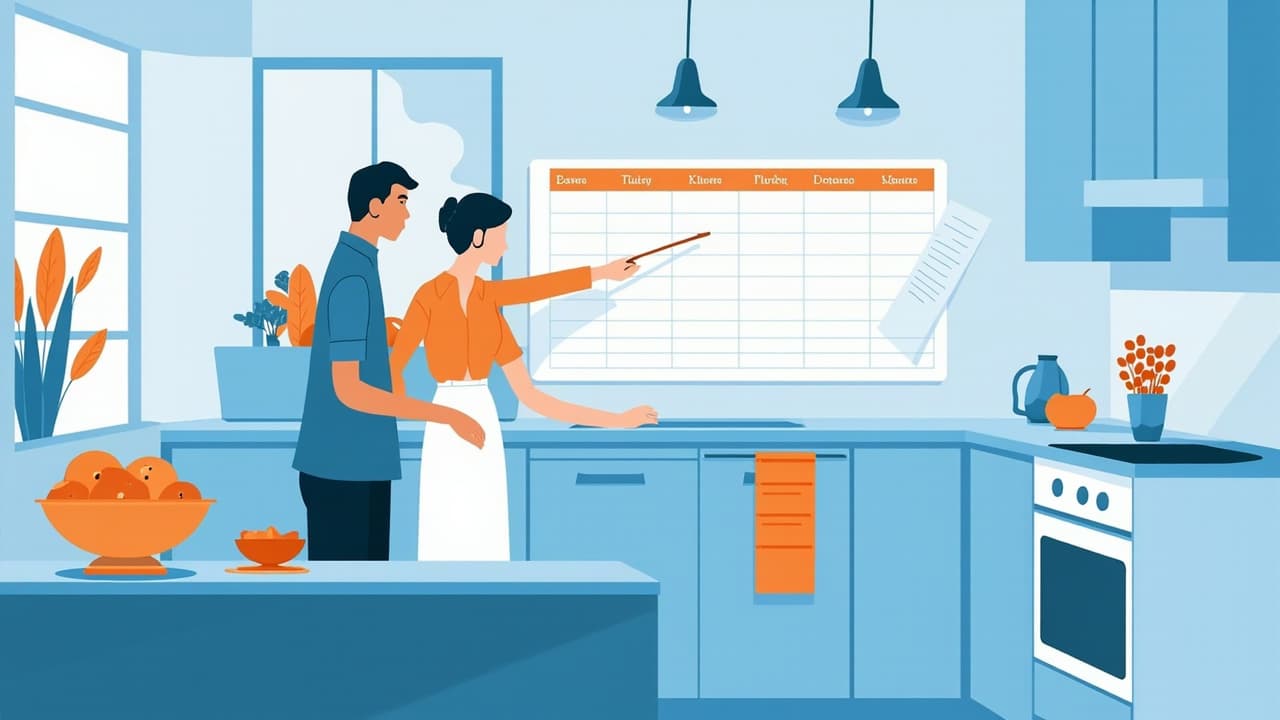
Daily/weekly schedule — cleaning tasks by day, meal times, school pickups, errands. Be specific: "Mop kitchen floor daily; deep-clean bathroom every Saturday."
-
House rules — mobile phone use during work hours, guests, quiet hours, which areas are family-only, and how you'd like doors and windows left.
-
Preferences list — dietary restrictions and allergies (both yours and your children's), brands you prefer at the supermarket, how you like laundry sorted and folded.
If your helper speaks better Tagalog or Bahasa than English, consider translating key instructions. Clarity matters more than formality.
Training Household Tasks
Cleaning and Laundry
Don't assume your helper knows how you want things cleaned — show her. Walk through each room and explain:
- Which surfaces need daily attention vs. weekly deep-cleaning
- Which products to use on which surfaces (especially delicate materials)
- How you like laundry sorted — whites separate, delicates by hand, air-dry vs. tumble dry
- How to use the washing machine, vacuum cleaner, and any specialist appliances
Demonstrate once, then watch her do it once, then give feedback. This "show-watch-feedback" loop is far more effective than instructions alone.
Cooking
Cooking is often the most challenging area to train because taste is subjective. The goal is to transfer your preferences clearly.
Practical approaches that work:
- Prepare a recipe book of the dishes you eat regularly. Include quantities and steps — "add one teaspoon of soy sauce, not a splash."
- List what you dislike — ingredients, flavours (too oily, too salty), or anything your family can't eat due to allergies or preferences.
- Go grocery shopping together a few times. Show her which brands you choose, how you select fresh produce, and how much you typically buy. This is worth more than any written list.
- Cook alongside her — let her watch and assist, and then let her taste the finished dish. This builds a shared reference point for what you're aiming for.
If you have children with different preferences from adults, keep their lists separate. A helper managing different meals for toddlers, adults, and elderly relatives needs organized clarity, not improvisation.
Childcare and Elderly Care Training
If your helper will be responsible for children or elderly family members, this training is non-negotiable — get it right before you leave her alone with them.
For Childcare
- Walk through your child's full daily routine: wake-up, meals, bathing, naps, school, activities, and bedtime
- Explain your child's personality and quirks — what calms them, what upsets them, their favourite activities
- Provide written emergency contacts and give clear instructions on when to call the doctor vs. when to call you
- If you have an infant, physically demonstrate any specific care routines
Spend at least one full day at home with her and your children before leaving them alone. Observe how she interacts, and course-correct early.
For Elderly Care
- Share your family member's full medical history — conditions, medications, dosages, and timing
- Demonstrate how to use any medical equipment (blood pressure monitor, wheelchair, walking aid)
- Explain behavioural triggers — what upsets them, what comforts them, communication preferences
- Write down the daily routine including meal preferences and any dietary restrictions
First Aid and Emergency Training
Every helper who cares for children or elderly family members should have first aid training. In Hong Kong, courses are available from:
- Hong Kong Red Cross — CPR and basic first aid
- St. John Ambulance (Hong Kong) — widely recognized certification
Key skills a trained helper should have:
- CPR and how to respond when someone is not breathing
- How to handle choking in infants vs. adults
- Managing burns, cuts, and bleeds
- Recognizing signs of a stroke or heart attack
- Knowing when to call 999 vs. your child's pediatrician
Ask any new helper for proof of first aid certification. If she doesn't have it, consider sponsoring a course — it's a small investment relative to the peace of mind it provides.
Separately, ensure she knows:
- Your home address in full (for emergency calls)
- Where the first aid kit is located
- Any allergies or medications your family members have
Giving Feedback That Actually Works
Training doesn't end after the first week — it continues through regular feedback. How you give feedback shapes whether your helper improves or withdraws.
What works:
- Be specific: "The bathroom mirror had streaks this week — use a dry cloth after the spray" is more useful than "the bathroom wasn't clean"
- Give positive feedback too — acknowledging what she does well motivates her to maintain it
- Address issues promptly, not weeks later
- Keep a calm tone; criticism delivered in frustration rarely produces good results
What doesn't work:
- Criticizing in front of others (including the children)
- Expecting her to read your mind about preferences you haven't explained
- Letting small frustrations build until they become a conflict
A brief weekly check-in — five minutes to review the coming week and address any concerns — prevents most recurring issues.
Conclusion
Training your domestic helper is an investment that pays back many times over. The first few weeks require patience and time, but a helper who understands exactly what you need and how you like it done runs your household with minimal friction.
Write down your expectations before she starts. Teach cooking by cooking together. Take first aid seriously. Give feedback specifically and consistently. And treat the early weeks as a learning curve, not a test — she's adapting to your home, your family, and your standards all at once.
HelperEx connects Hong Kong families with experienced, verified domestic helpers who are ready to learn and grow in the right household. Browse verified helper profiles on HelperEx →
FAQ
How long does it take to train a new domestic helper? Most helpers need 2–4 weeks to learn your household's routines and preferences properly. Complex situations (newborn care, elderly with medical needs, large households) may take 6–8 weeks. The more clearly you communicate upfront, the faster the adjustment.
Should I write everything down or is verbal training enough? Both — but written materials are essential as reference. Verbal instructions on day one will be partially forgotten by day three. A printed daily schedule, preferences list, and house rules give her something to check when uncertain, which reduces mistakes and interruptions.
What if my helper is experienced but does things differently from how I want them done? Experience from previous households is valuable but not perfectly transferable. Address differences early and specifically — "In this house, we do it this way, because..." is more effective than criticizing her previous method. Most experienced helpers adapt quickly when the reasoning is clear.
Is first aid training really necessary for domestic helpers in Hong Kong? Yes, especially for helpers caring for children or elderly family members. The first few minutes of an emergency can determine the outcome. Hong Kong Red Cross and St. John Ambulance offer accessible certification courses. Ask for proof of training before hiring, or sponsor the course as part of onboarding.
What should I do if my helper keeps making the same mistakes after training? Check whether the expectation was communicated clearly — the most common cause of repeated mistakes is unclear or inconsistent instructions. If the issue persists despite clear guidance, address it directly in a calm one-on-one conversation, and document the discussion. If improvement doesn't follow, consult your agency or consider whether the placement is the right fit.